

Reset
Lost holidays & lessons from Chimbai

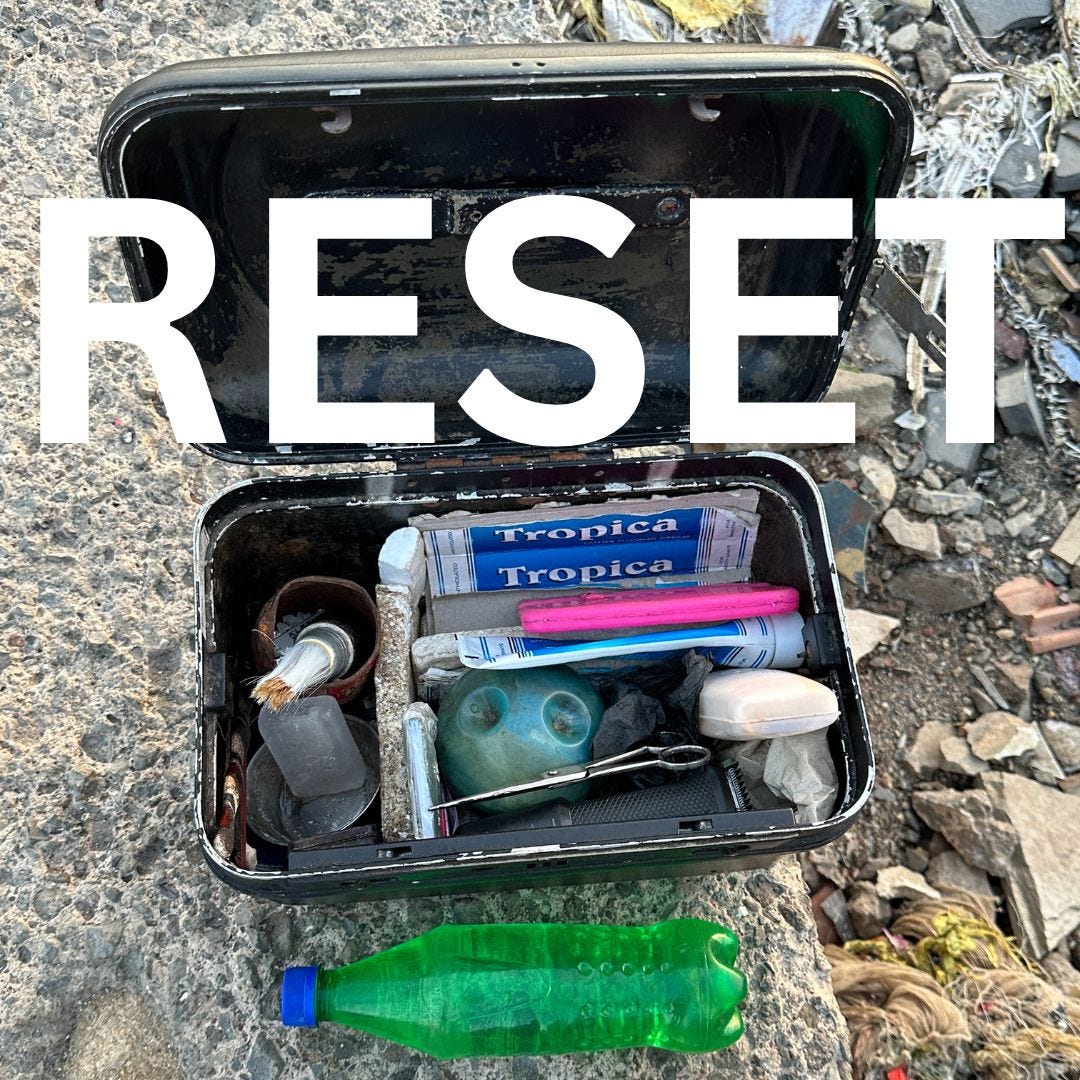
Last year, towards the end of May, I kept going back to Chimbai village. The monsoon was teasing us as it usually does, with clouds gathering like black splotches of runny watercolour, fantastic sunsets and crazy humidity. We were all waiting with open pores, wondering when the rains would arrive.
Yet Chimbai was moving to another beat. Boats were up on the shore, nets were being mended so they could be stored, laundry was drying, nails were being cut, hair was being trimmed.
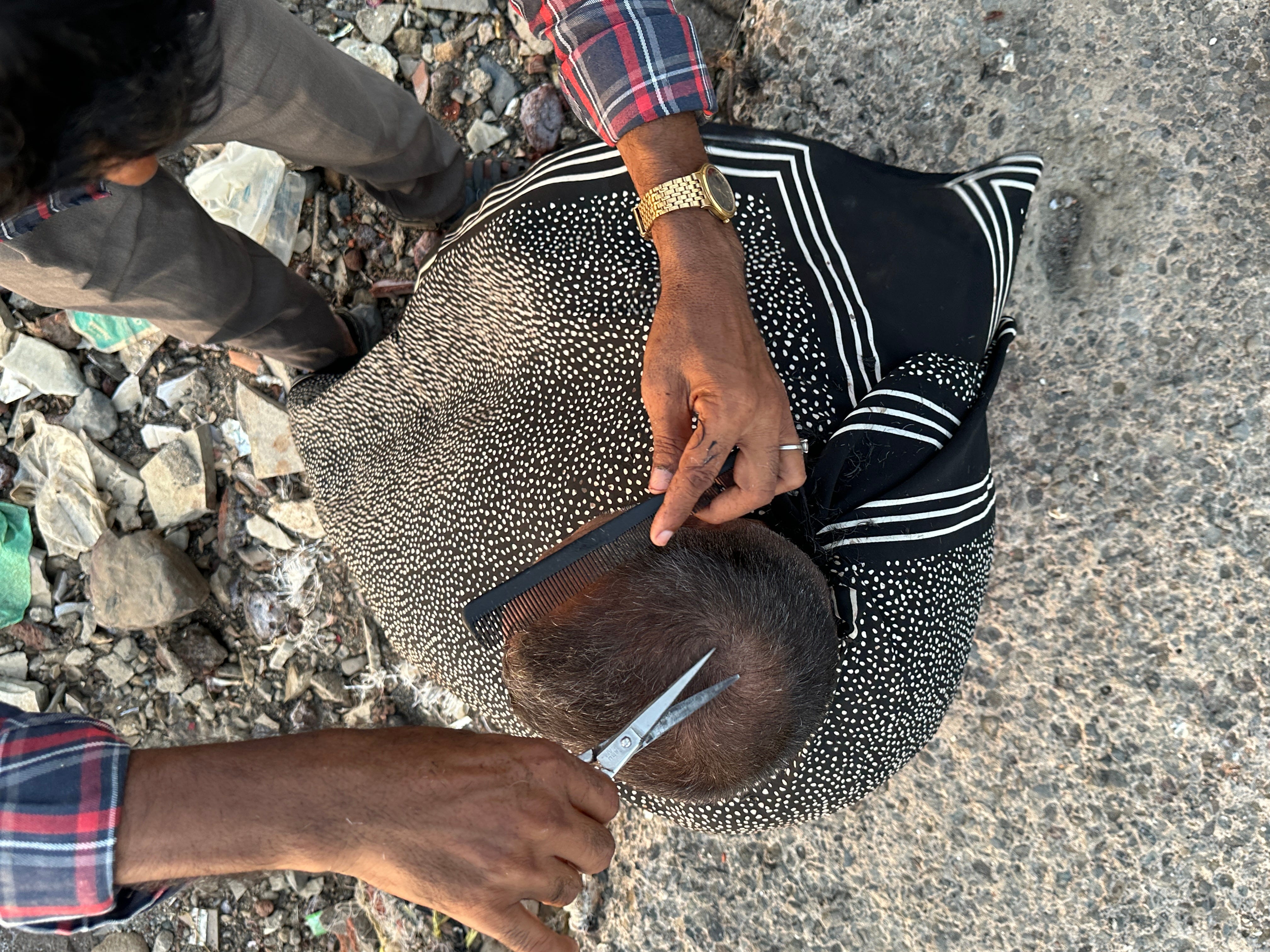
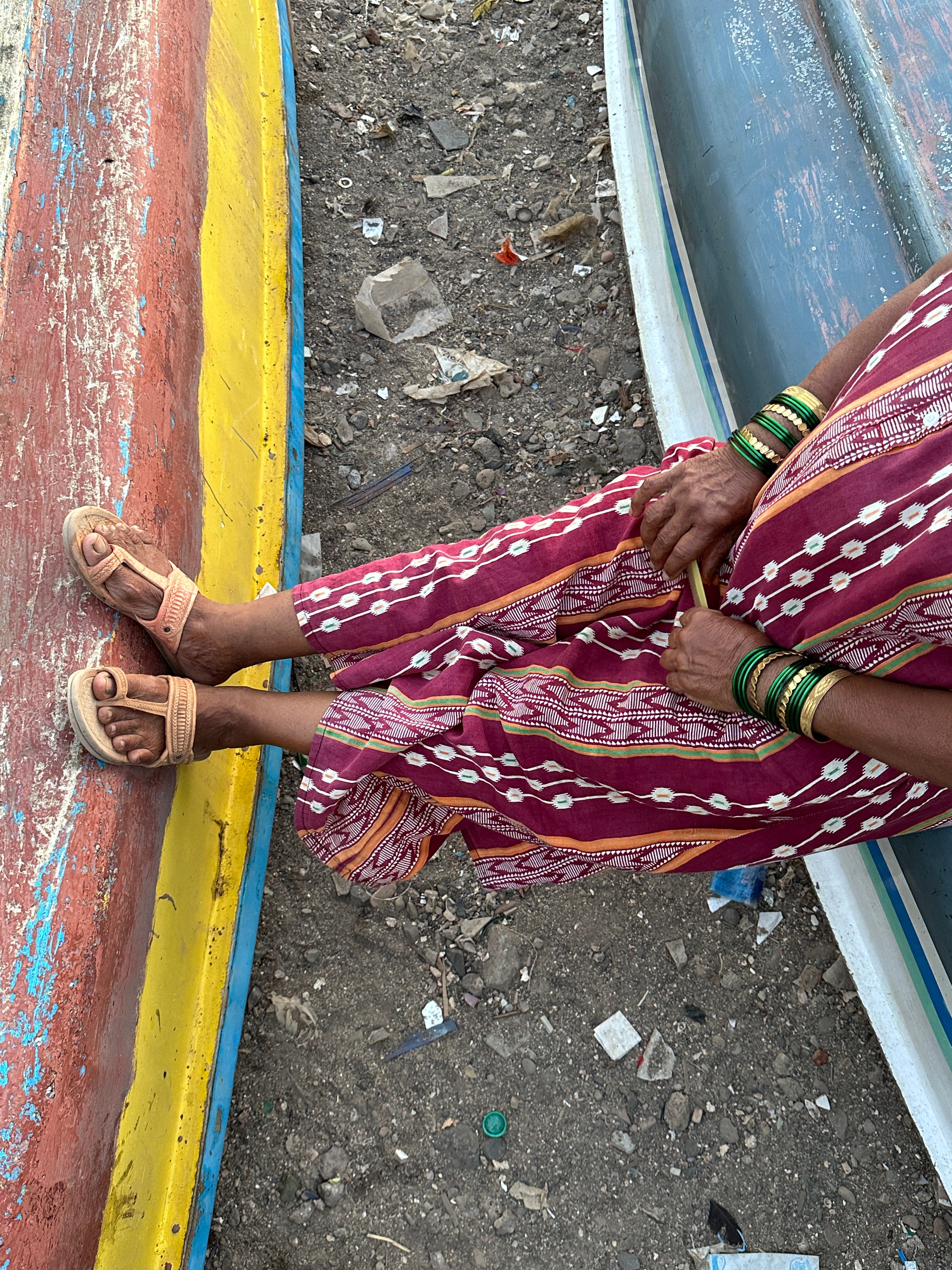
I wondered if the Kolis of Chimbai knew something we didn’t know. Could they feel the sea change? Could they read the clouds and the wind? How did they know it was time to bring the boats up?
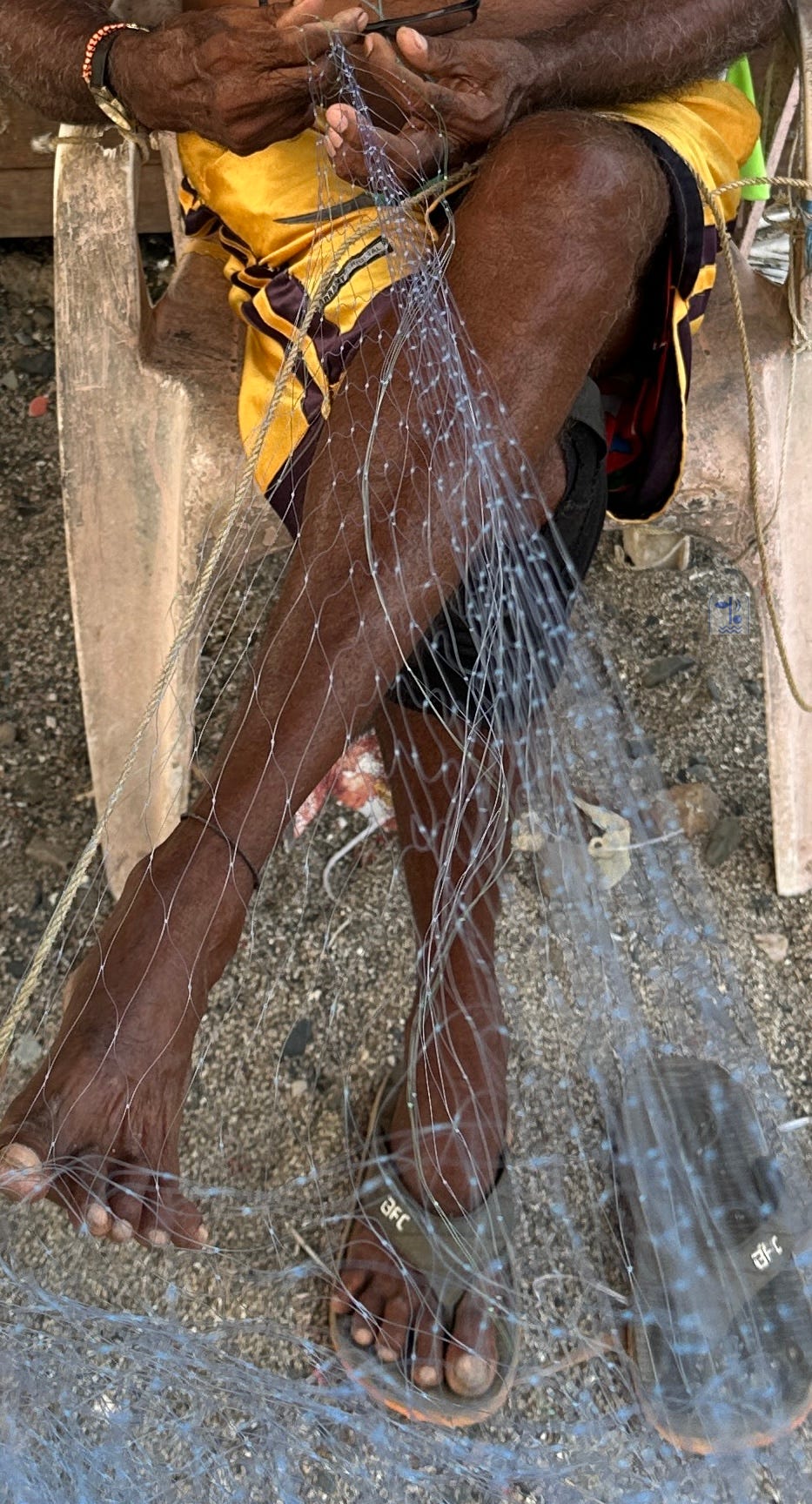
And as I kept going back I realised they did know much more than us. About things like acceptance. Of the fact that nature will set the rules and you just have to abide by that. You don’t crib or cry, you just mend your nets, and secure your boats. And wait for Nariyal Purnima, at the end of July/beginning of August.
In South Gujarat and Saurashtra a special ceremony is observed to demonstrate the opening of the season. This marks the end of the monsoon period, when the turbulence of the sea has come to rest. On full moon day of the month of Sravana (July-August) the sea is worshipped by muslim as well as Hindu mariners. This day is called Nariyal Purnima day. Offerings which are dropped into the sea, comprise (of) flowers, lighted incence sticks, coconuts and other items used in worship. Members of the Bhatia community, traders by profession, also join in this worship of the sea, Dariasagar on Nariyal Purnima day.
Indian Seafaring: The Precept and Reality of Kalivarja by Loyika Varadaranjan
Which brings me to lost indigenous holidays. I remember looking at this public notice in the Bombay Chronicle, dated 29th July 1936, amd wondering what was Cocoanut Day, till the penny or rather the coconut dropped. Aah, this was Nariyal Purnima.
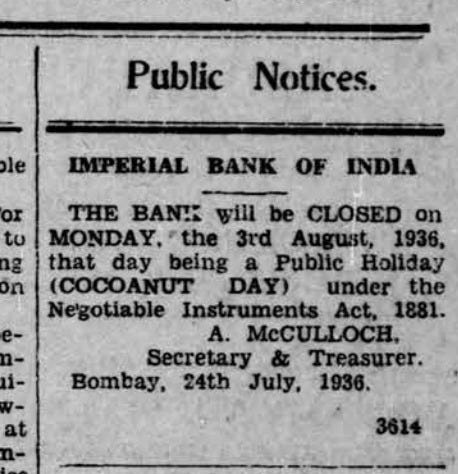
Here are some examples of public notices that feature Cocoanut/Coconut Day.
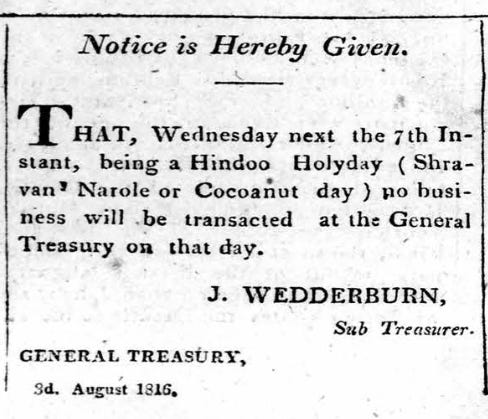
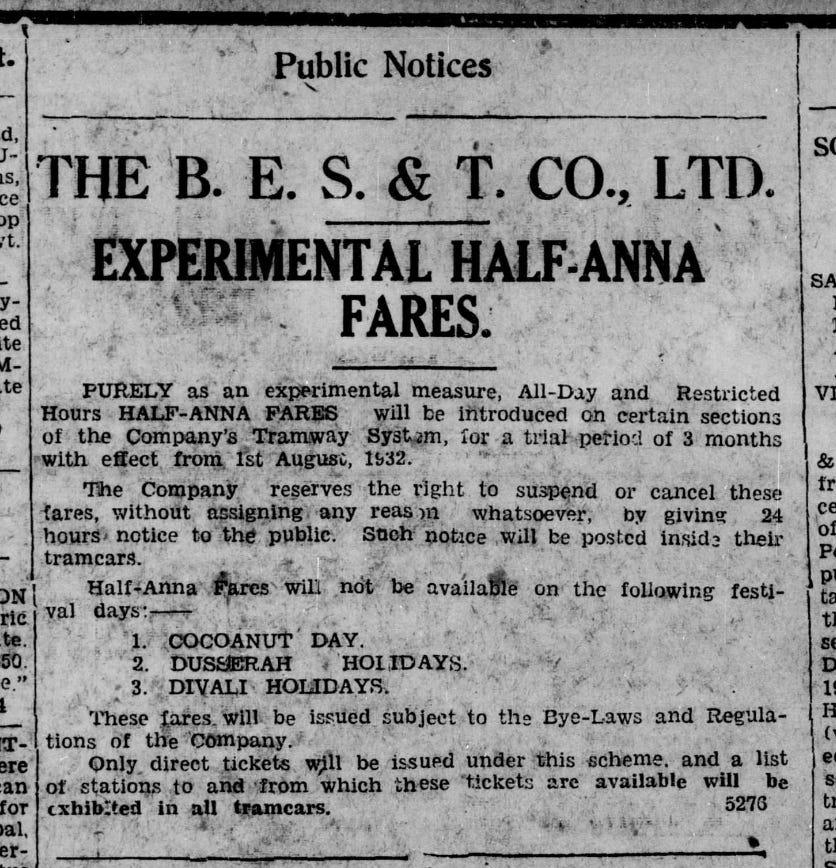
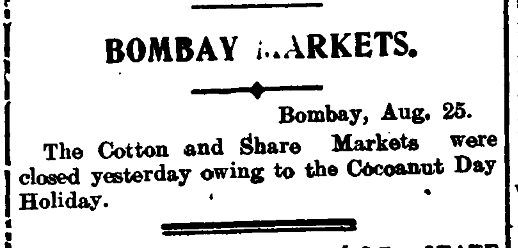
Turns out there are enough references to believe that Cocoanut/Coconut Day was celebrated as a holiday in Bombay. With the treasury and stocks markets being shut. There’s also a notice from 1863, that mentions the Dockyard and its offices will be closed on that day. And according to another notice in 1946, it was even a Post Office holiday.
My guess is after independence, as over the years the holiday list got homogenised across the country for convenience, indigenous days like this one slipped off the list.
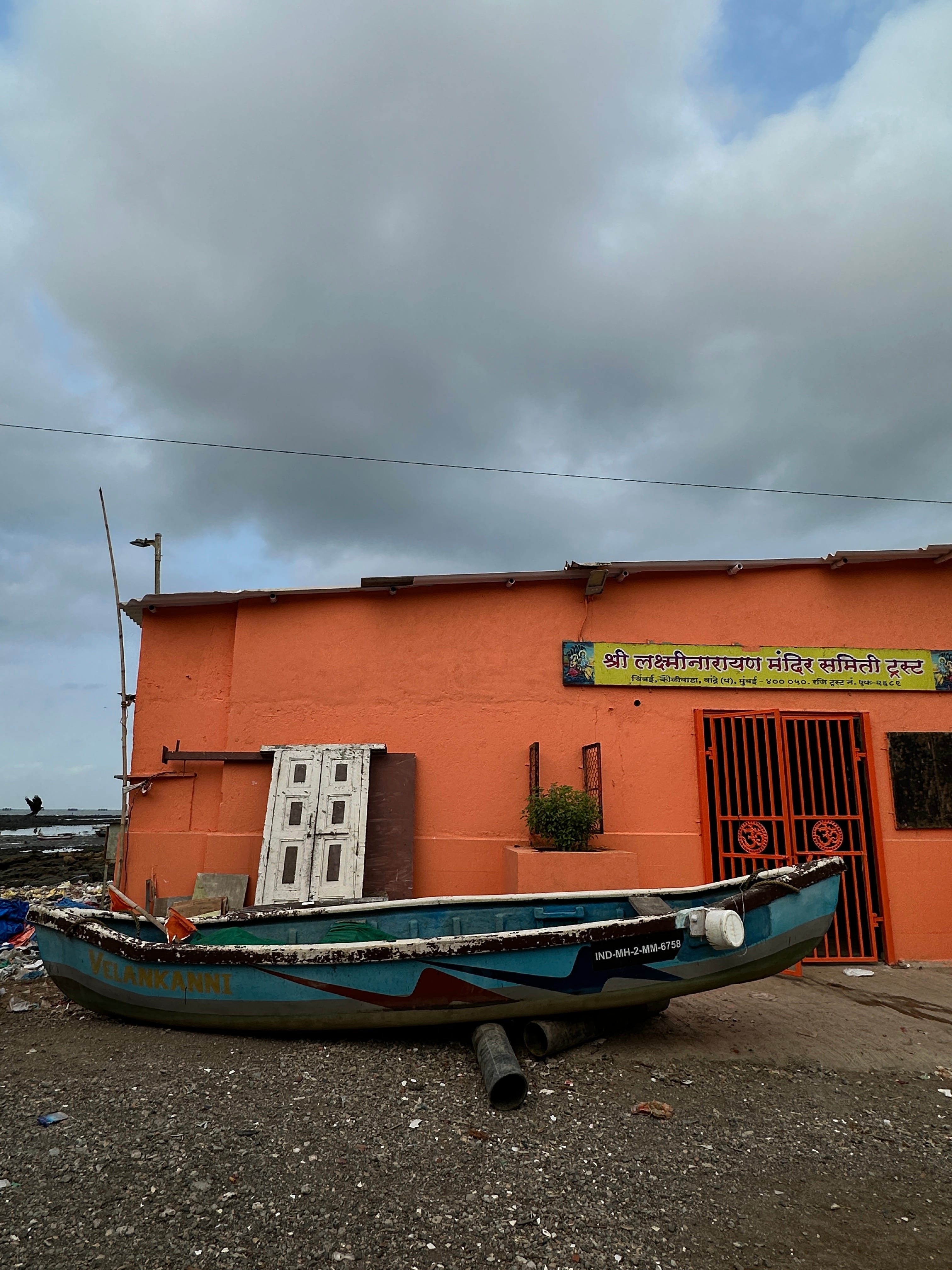
This year, when I hear the pre monsoon and monsoon showers are going to fuse together, I head to Chimbai. It’s only the 20th of May, but lots of boats are already up. They have been brought ashore but not wrapped in tarp as yet. There are boats that are still out in the sea. But there seems to be a feeling in the air, that it’s the last couple of days of fishing. The fisherfolks tell me about the squall that’s predicted for the 25th and 26th.
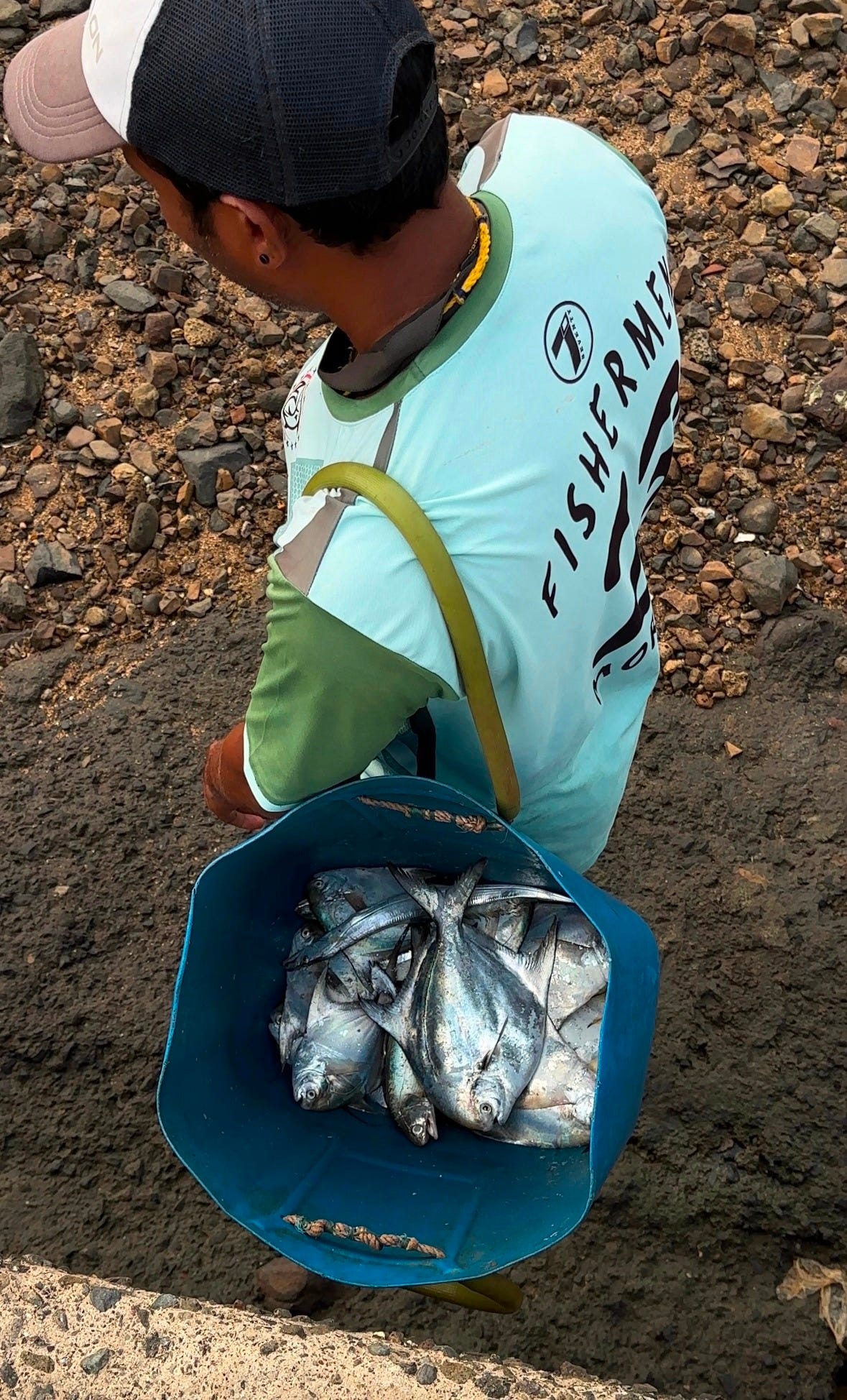
As the boats come in, one of them tells me this year it is going to be an early end to the fishing season. And the catch has been good last couple of days.
I wait for him. To complain about bad luck or bad timing or something on those lines. But he just moves on.
And I remember, when you live with nature, you accept that you have to what it tells you. So you mend your nets and you wait.
Thank you for reading this. And I leave you with this excerpt.
In the Bombay Presidency, all along the western coast of the Konkan, great fairs are held on the sea-shore. The ocean is worshipped and coconuts are thrown into it as offerings, hence the name Narali from naral - a coconut, coconut day.
Hindu Holidays and Ceremonials by Rai Bahadur B.A. Gupte (1919)


All newspaper notices are from the digital archives of the Asiatic Society Of Mumbai.
Beautiful and thought provoking. Perhaps we who have built lives far from nature will soon be forced to start turning back to the seas and the skies and the trees and the soil for our survival.
Lovely read!